Υψηλός αιματοκρίτης σημαίνει ότι τα ερυθρά αιμοσφαίρια αποτελούν πολύ μεγάλο μέρος του αίματός σας. Το αίμα γίνεται πιο παχύρρευστο και επιβαρύνει περισσότερο το καρδιαγγειακό σύστημα. Ένας από τους πιο απλούς και αποτελεσματικούς τρόπους για να πέσει ο αιματοκρίτης είναι η αφαίρεση ελεγχόμενης ποσότητας αίματος, είτε με αιμοδοσία είτε με θεραπευτική φλεβοτομία υπό ιατρική επίβλεψη.
Πολλοί ακούν πρώτη φορά τη συμβουλή «δώστε αίμα» από τον γιατρό τους όταν ο αιματοκρίτης είναι αυξημένος. Ο οδηγός αυτός εξηγεί γιατί βοηθά η αφαίρεση αίματος, σε τι διαφέρει η αιμοδοσία από την κλινική φλεβοτομία και πώς αντιμετωπίζουμε με ασφάλεια τον υψηλό αιματοκρίτη στην Alpha Medical στην Κύπρο.
Γιατί η Αφαίρεση Αίματος Μειώνει τον Αιματοκρίτη
Ο αιματοκρίτης είναι το ποσοστό του όγκου του αίματος που καταλαμβάνουν τα ερυθρά αιμοσφαίρια. Όταν ανεβαίνει πολύ, το αίμα γίνεται πιο παχύρρευστο και πιο δύσκολο να κυκλοφορήσει, κάτι που με τον χρόνο μπορεί να αυξήσει τον καρδιαγγειακό κίνδυνο.
Η αφαίρεση μετρημένης ποσότητας αίματος μειώνει άμεσα τα ερυθρά αιμοσφαίρια στην κυκλοφορία. Ο οργανισμός αναπληρώνει σχετικά γρήγορα το υγρό που χάθηκε, αραιώνοντας τα υπόλοιπα ερυθρά, και ο αιματοκρίτης πέφτει. Είναι ένας άμεσος, μηχανικός τρόπος να επανέλθουν υγιείς τιμές.
Αιμοδοσία ή Φλεβοτομία υπό Ιατρική Επίβλεψη
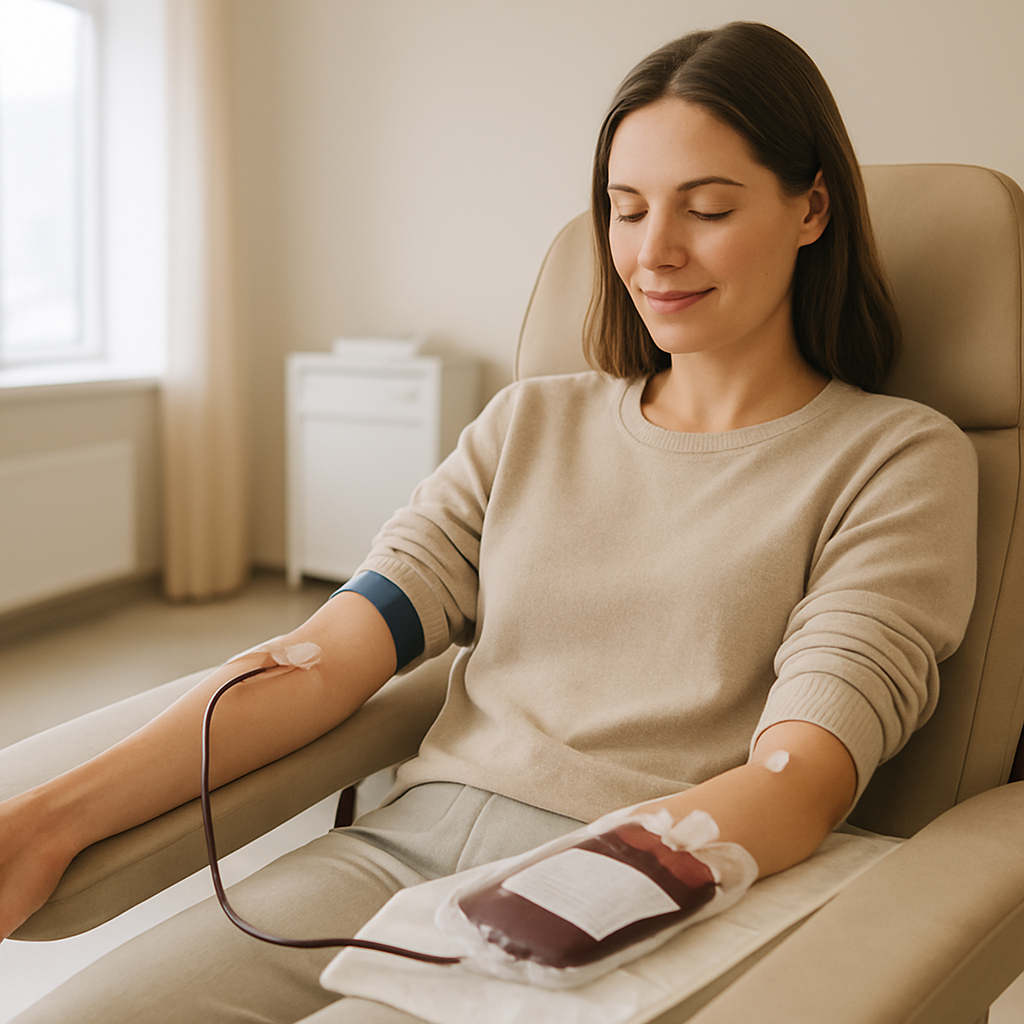
Αν είστε κατά τα άλλα υγιείς και πληροίτε τα κριτήρια, η αιμοδοσία είναι χρήσιμος τρόπος να μειώσετε τον αιματοκρίτη βοηθώντας ταυτόχρονα άλλους. Τα κέντρα αιμοδοσίας όμως έχουν κριτήρια καταλληλότητας, και κάποιοι ασθενείς, για παράδειγμα όσοι κάνουν θεραπεία υποκατάστασης τεστοστερόνης, δεν γίνονται πάντα δεκτοί ή χρειάζονται πιο ελεγχόμενη, τακτική προσέγγιση.
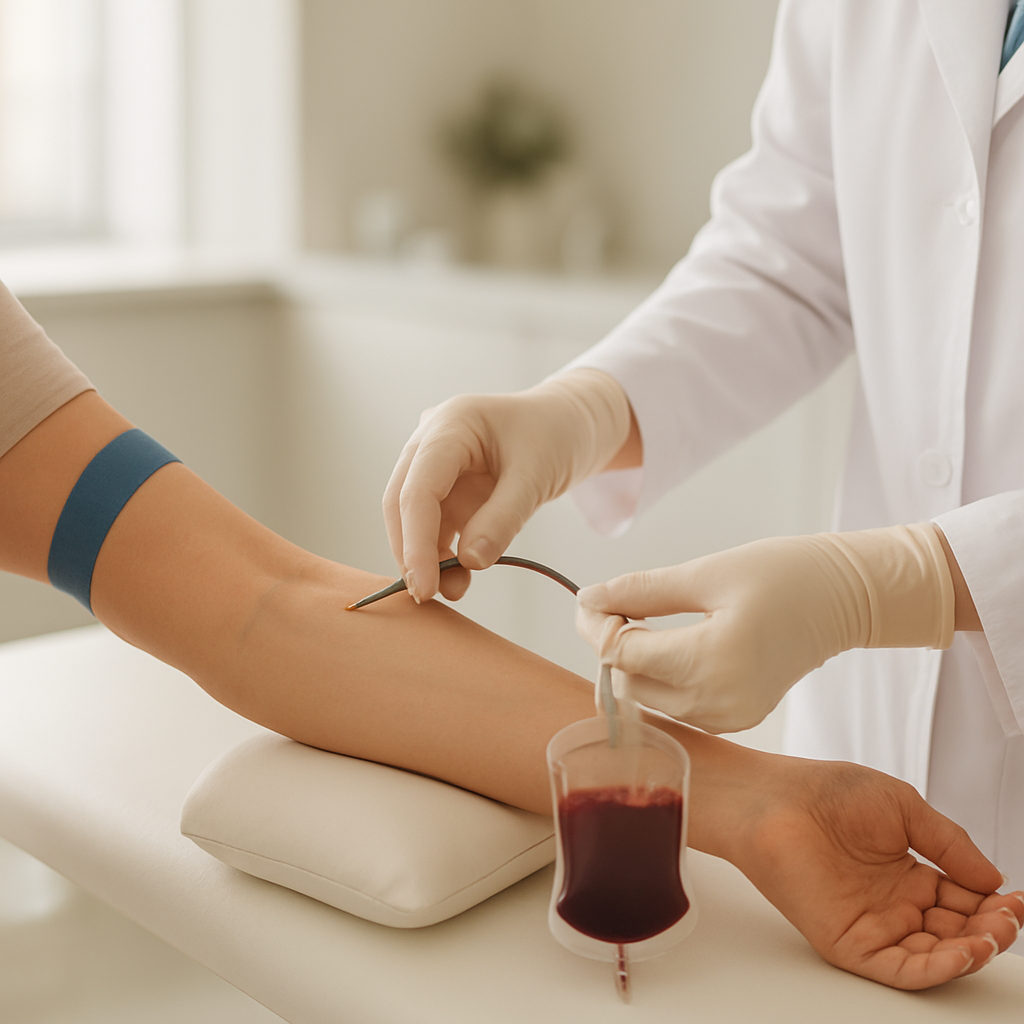
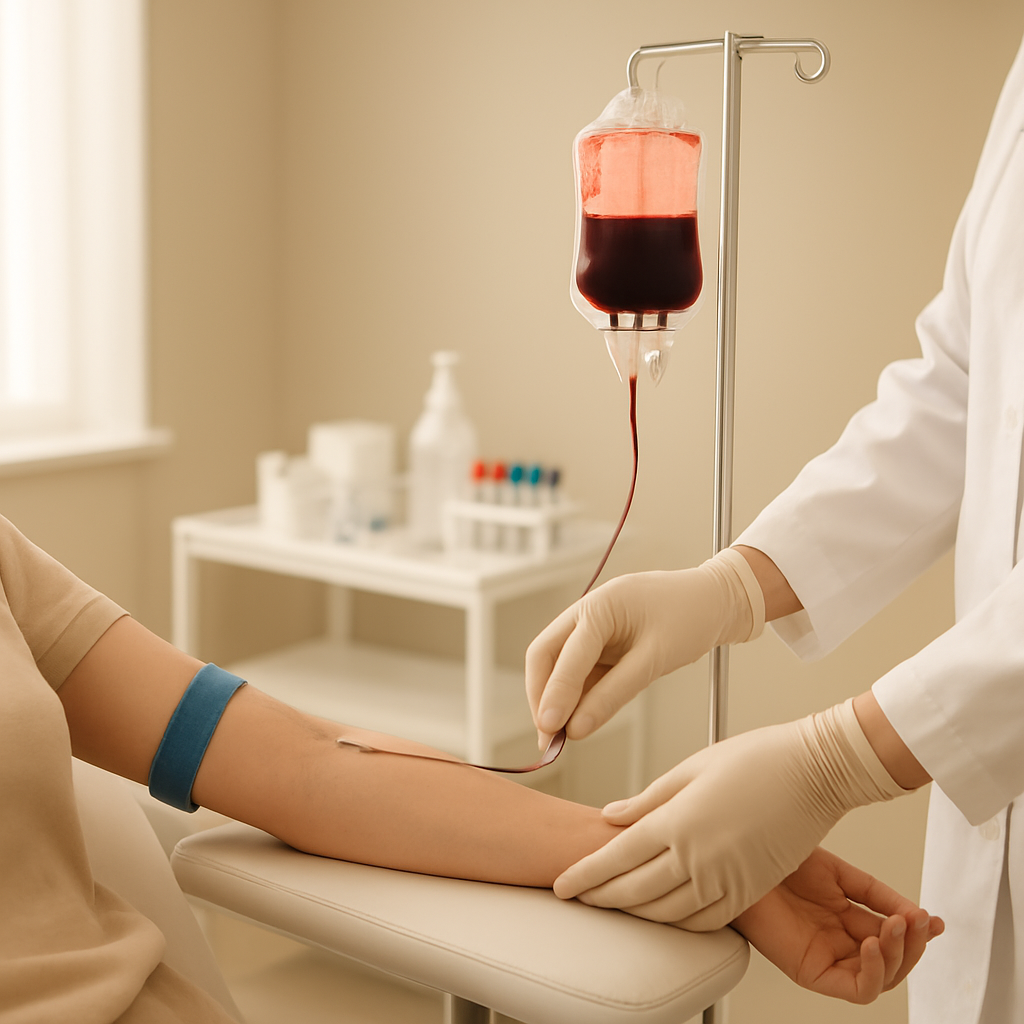
Η θεραπευτική φλεβοτομία υπό ιατρική επίβλεψη λύνει αυτό το πρόβλημα. Γίνεται ειδικά για να αντιμετωπίσει τη δική σας κατάσταση, προγραμματίζεται με βάση τις εξετάσεις σας και πραγματοποιείται υπό κλινική επίβλεψη. Στην Alpha Medical μια συνεδρία αφαιρεί συνήθως περίπου 300–500 mL αίματος, μέσα στην κλινική, με εκπαιδευμένο προσωπικό να σας παρακολουθεί συνεχώς.
Πώς Αντιμετωπίζουμε τον Υψηλό Αιματοκρίτη στην Alpha Medical
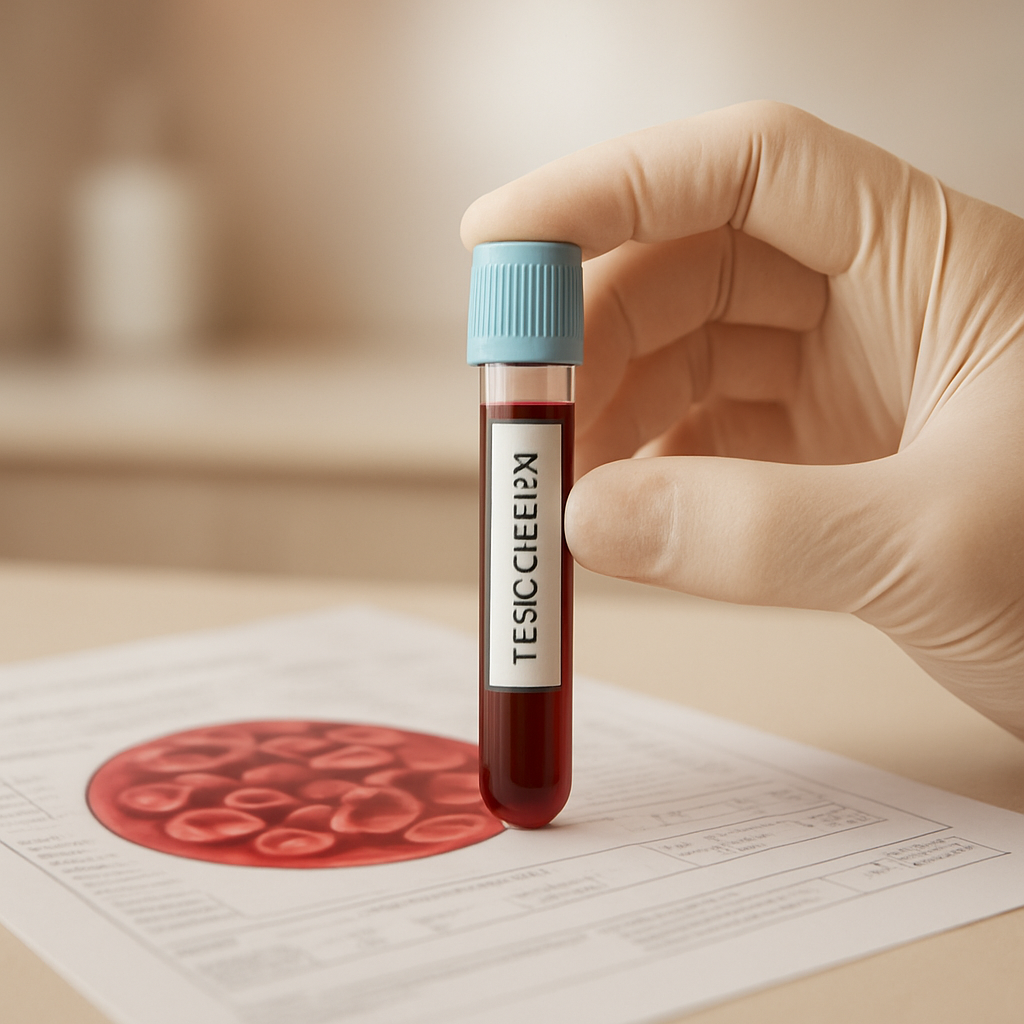
Ξεκινάμε με εξετάσεις αίματος για να επιβεβαιώσουμε τον αιματοκρίτη και την αιμοσφαιρίνη σας. Αν ενδείκνυται αφαίμαξη, ο γιατρός σας καθορίζει την κατάλληλη ποσότητα, συνήθως 300–500 mL, και κάνουμε τη φλεβοτομία στην κλινική μας υπό πλήρη ιατρική επίβλεψη.
Μετά σας δίνουμε οδηγίες φροντίδας και προγραμματίζουμε επαναληπτικές εξετάσεις για να επιβεβαιώσουμε ότι οι τιμές βελτιώθηκαν. Για ασθενείς με επαναλαμβανόμενο υψηλό αιματοκρίτη δημιουργούμε πλάνο συνεχούς παρακολούθησης, ώστε το θέμα να εντοπίζεται και να αντιμετωπίζεται νωρίς.
Έτοιμοι για το επόμενο βήμα; Κλείστε ραντεβού στη σελίδα επικοινωνίας ή ζητήστε παρακάτω έναν εισαγωγικό οδηγό για TRT.