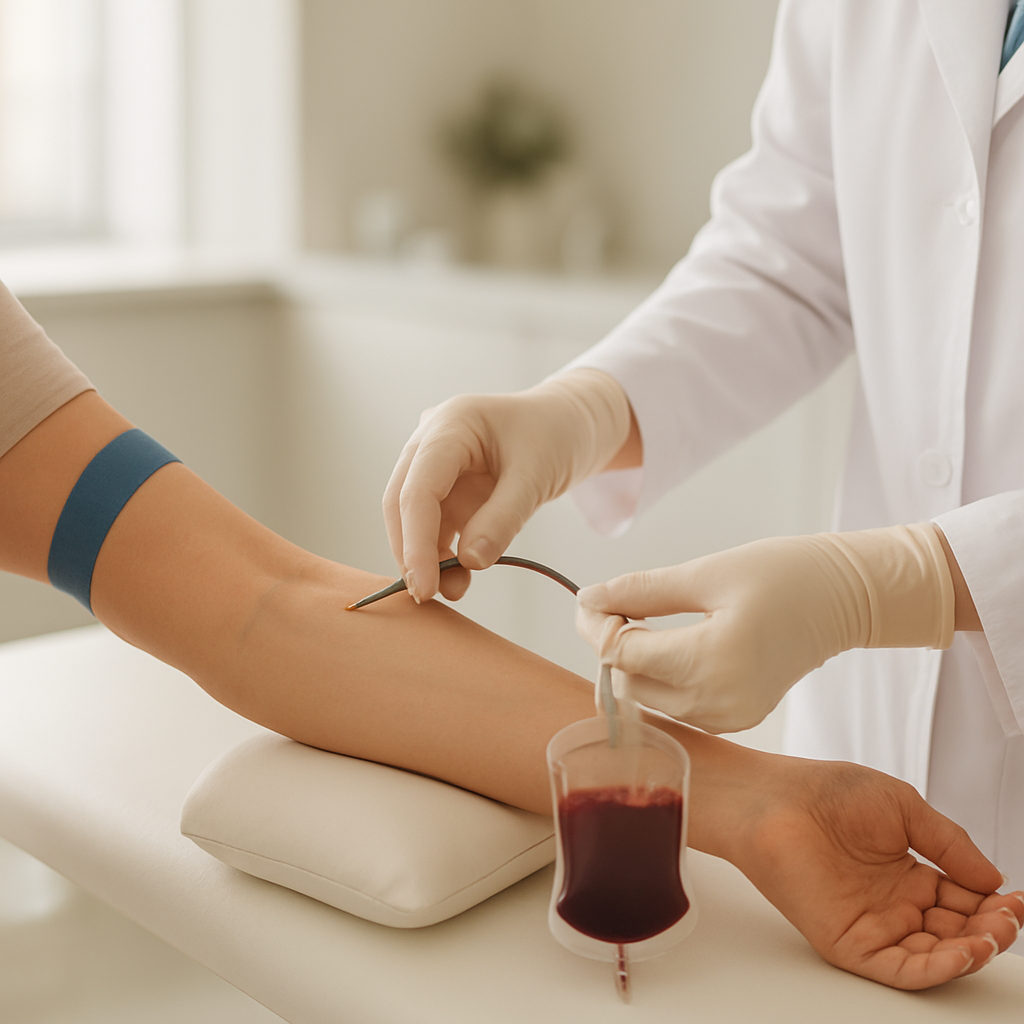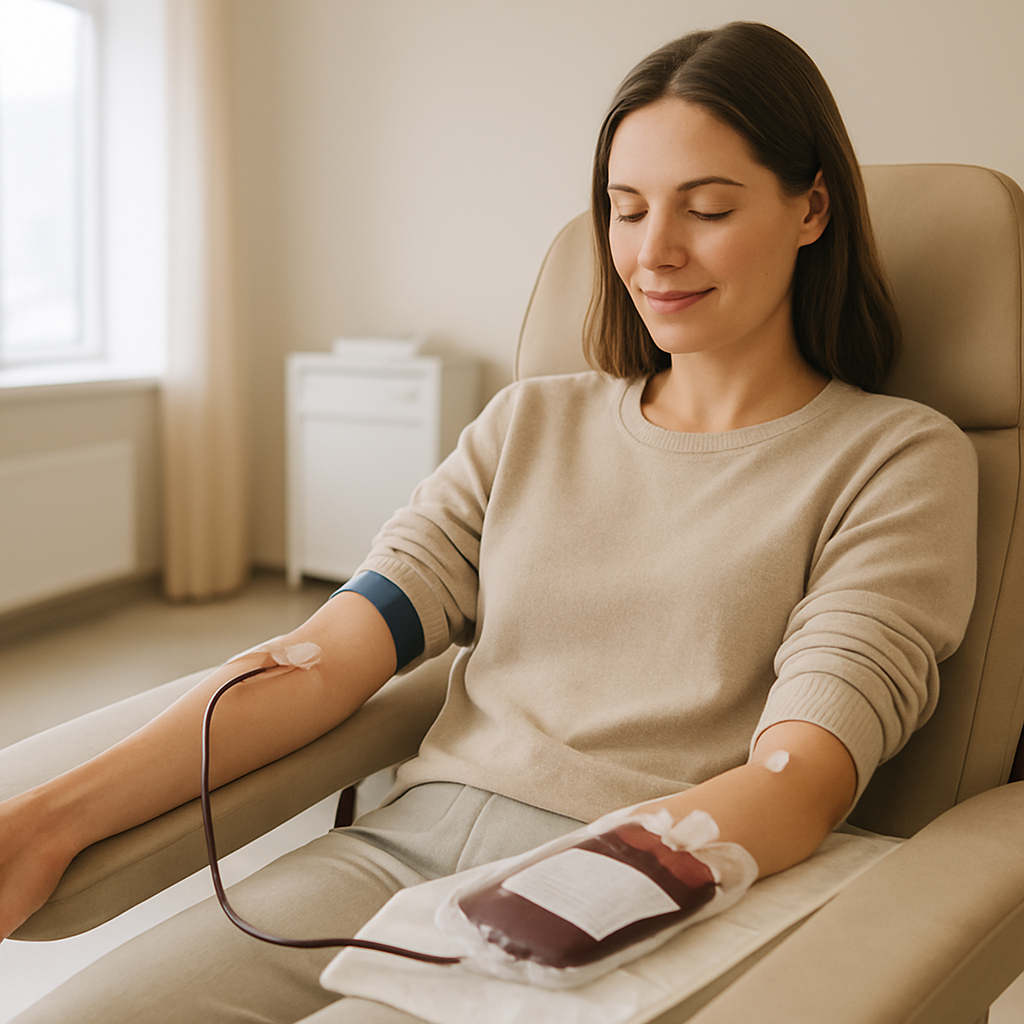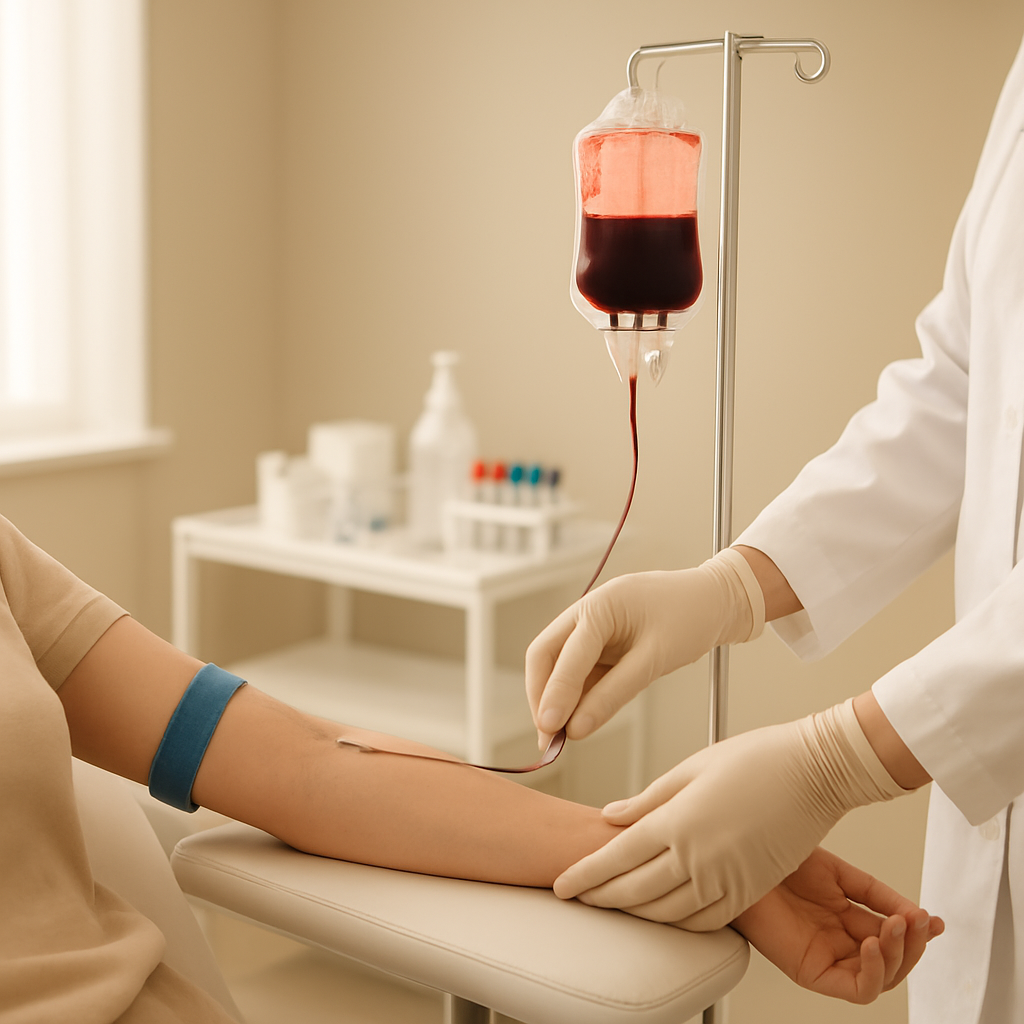
'Blood letting' is an old term that conjures images of medieval medicine. But the modern, evidence-based version of this practice — known clinically as therapeutic phlebotomy — is a precise and genuinely useful medical procedure. Far from outdated, the controlled removal of blood remains one of the most effective treatments for elevated haematocrit and a handful of other conditions.
If you have searched for 'blood letting in Limassol', what you are really looking for is medically supervised therapeutic phlebotomy. At Alpha Medical, this is performed safely in-office by trained clinicians. Here is what the procedure actually involves today.
From Ancient Practice to Modern Medicine
Historical blood letting was based on flawed theories and was often harmful. Modern therapeutic phlebotomy is the opposite: it is targeted, measured, and prescribed only when bloodwork shows a clear medical need. The single thing the two share is the basic action of removing blood — everything else has changed.
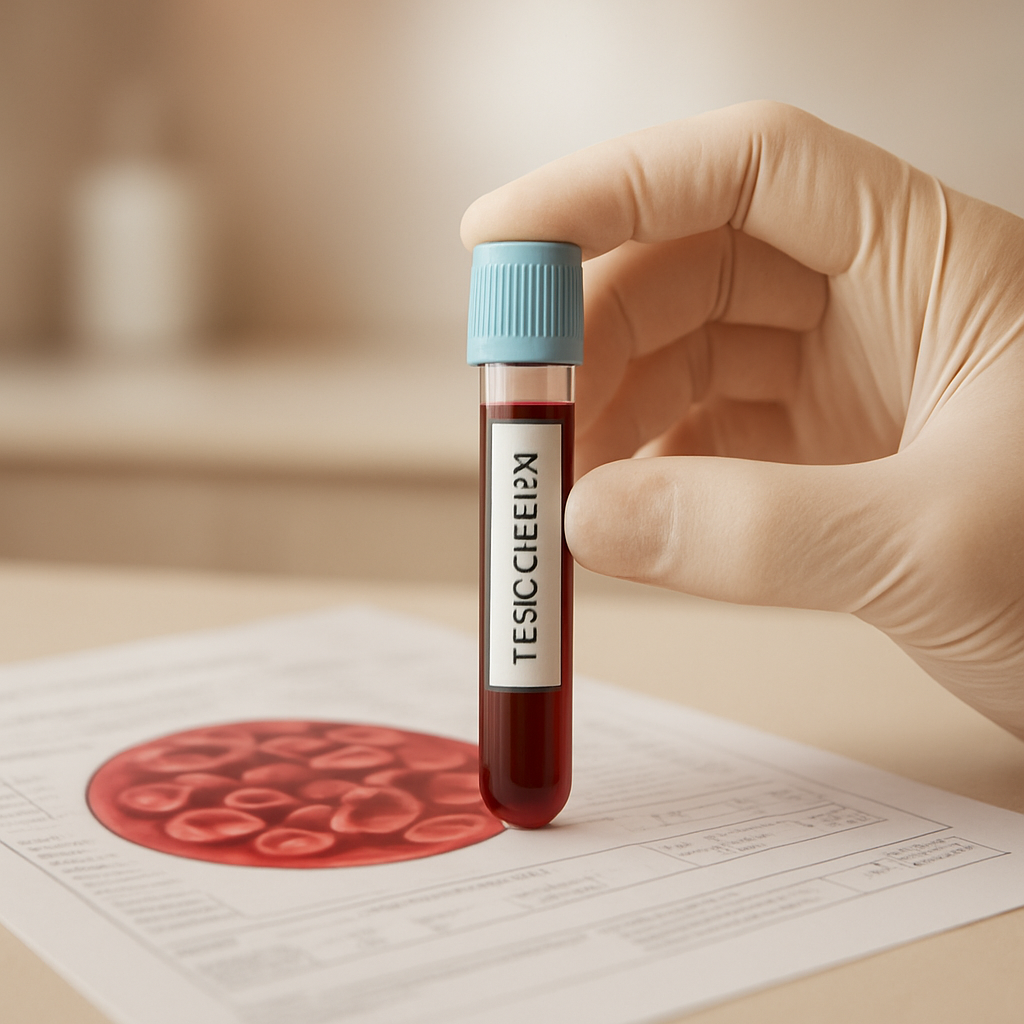
Today, the procedure is grounded in laboratory data. We measure your haematocrit and haemoglobin, confirm that removing blood will help, and then remove a precise volume under controlled conditions.
How the Procedure Works
A typical session removes approximately 300-500mL of blood — a volume comparable to a standard blood donation. The exact amount is determined by your physician according to your blood values and physical characteristics.
Everything is done in-office and under full medical supervision. You are seated comfortably, a trained clinician performs the draw with sterile single-use equipment, and our team monitors your vital signs throughout. The session, including recovery, usually takes 20-40 minutes.
Why People Seek Blood Letting in Limassol
The most common reason patients in Cyprus seek therapeutic phlebotomy is an elevated haematocrit, frequently as a result of testosterone replacement therapy. Other reasons include iron overload conditions and certain forms of high red blood cell count.
- Elevated haematocrit on testosterone replacement therapy
- Polycythaemia (an abnormally high red blood cell count)
- Haemochromatosis and other iron overload conditions
- Physician-directed reduction of blood viscosity
Ready to take the next step? Book a consultation at our contact page — or request an introductory TRT guide below.