If your bloodwork on testosterone replacement therapy has come back with a high haematocrit, you are not alone — it is one of the most common and well-understood side effects of TRT. The good news is that it is very manageable when caught early and handled by a physician who monitors you properly.
This guide explains what a high haematocrit on TRT actually means, why it happens, and the practical steps to take. It also explains why medically supervised phlebotomy may be necessary, and how we approach this for our TRT patients in Cyprus at Alpha Medical.
Why TRT Can Raise Your Haematocrit
Testosterone stimulates the production of red blood cells. For most men this is harmless, but in some it pushes haematocrit — the proportion of blood made up of red cells — above the healthy range. This thickens the blood and, if left unchecked, can increase cardiovascular strain.
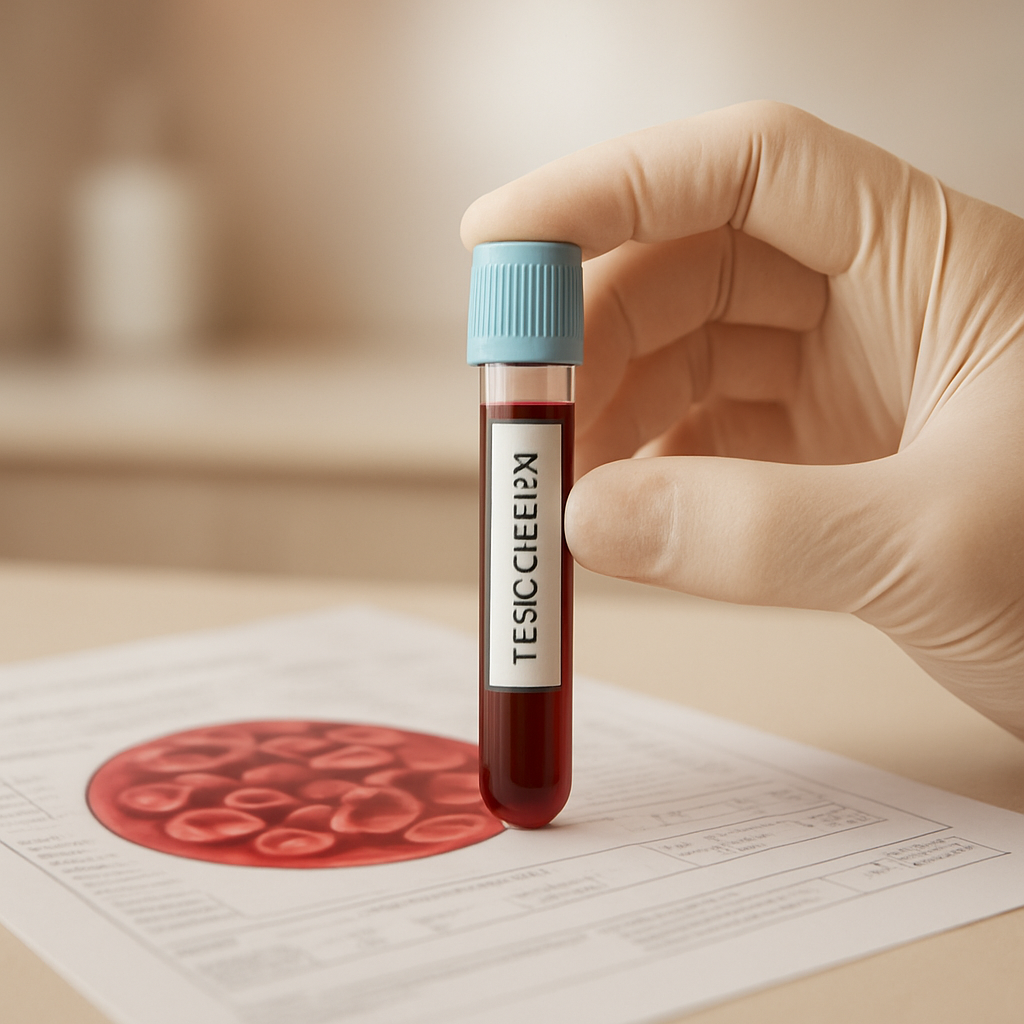
This is precisely why proper TRT is never just a prescription. Regular bloodwork is essential to catch a rising haematocrit early, before it becomes a problem.
The Practical Steps to Take
If your haematocrit is elevated on TRT, there are several measures your physician may recommend, often in combination. The right approach depends on how high your levels are and your overall health.
- Review and possibly adjust your testosterone dose or injection frequency
- Increase your hydration, which can influence haematocrit readings
- Address contributing factors such as smoking or sleep apnoea
- Undergo therapeutic phlebotomy to directly reduce red blood cell volume
- Schedule more frequent follow-up bloodwork to monitor the trend
Why Phlebotomy May Be Necessary
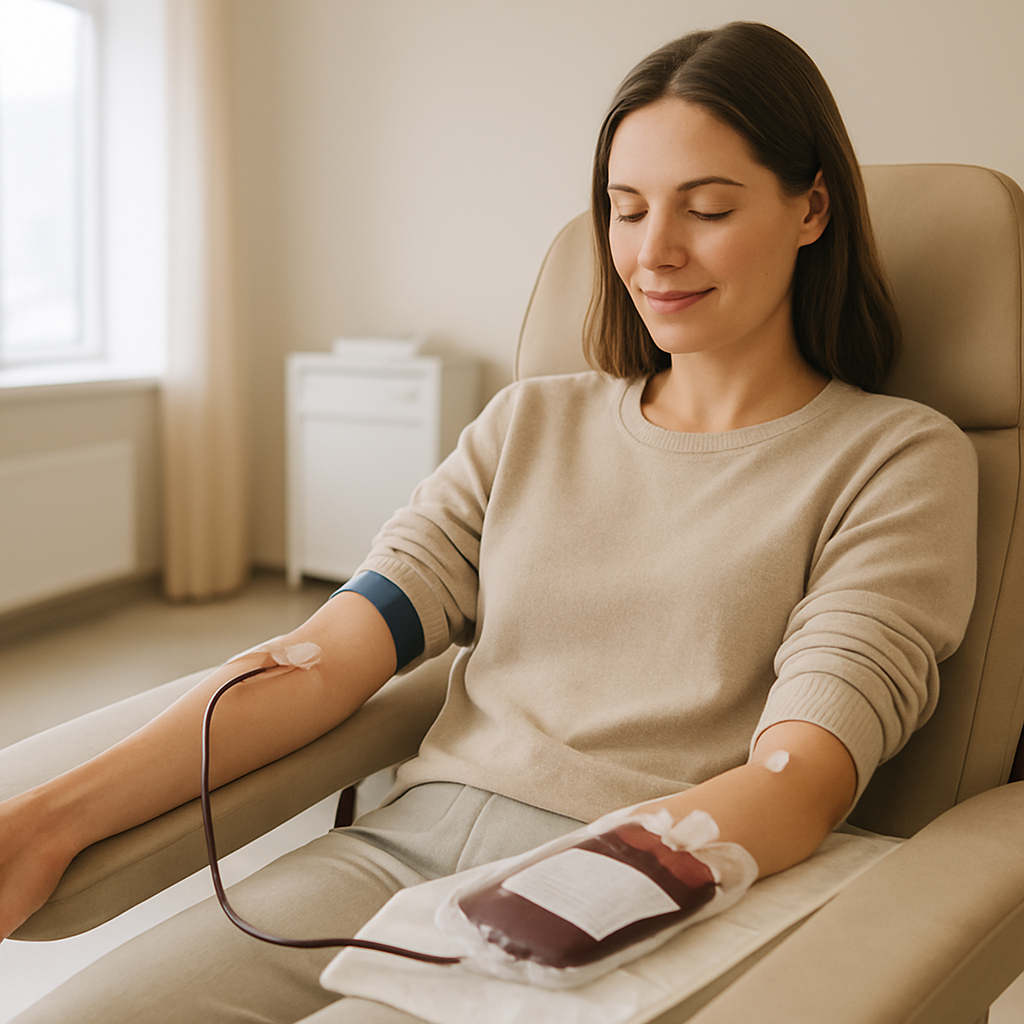
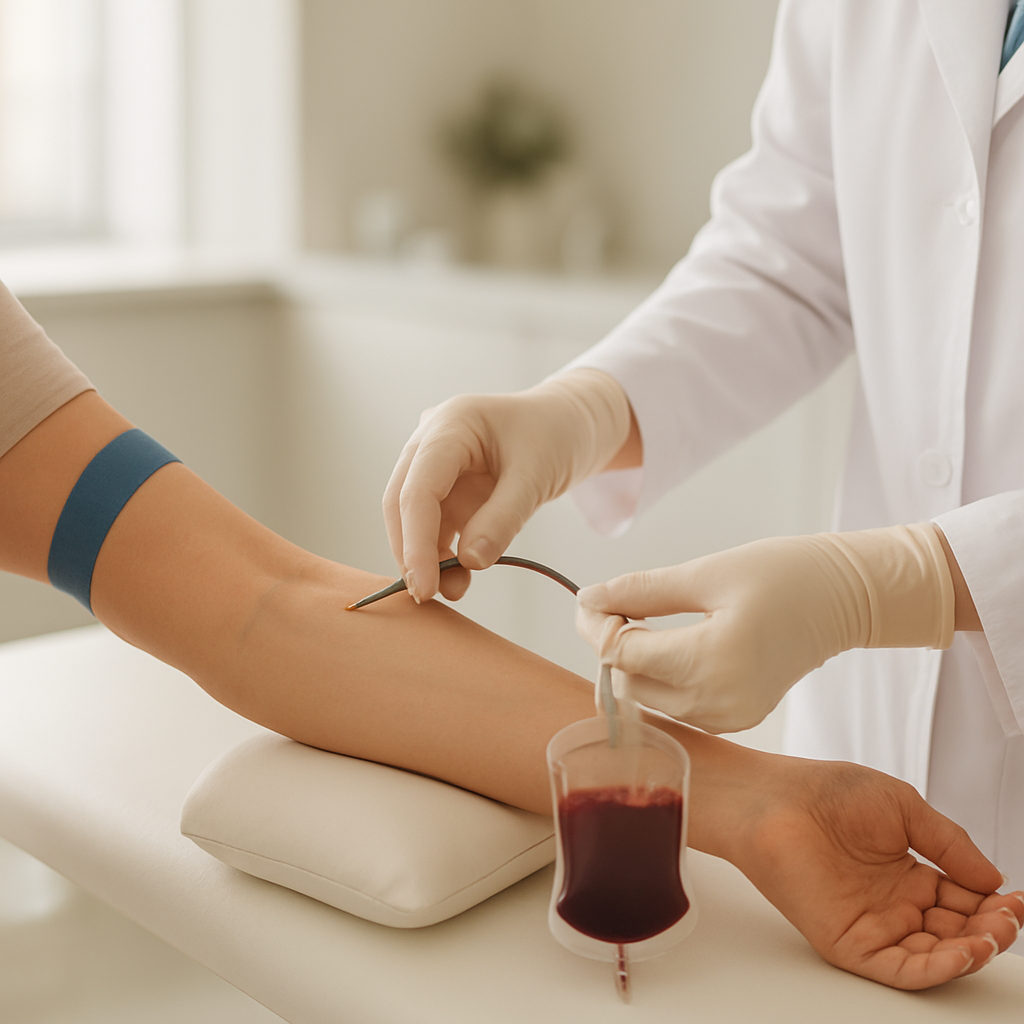
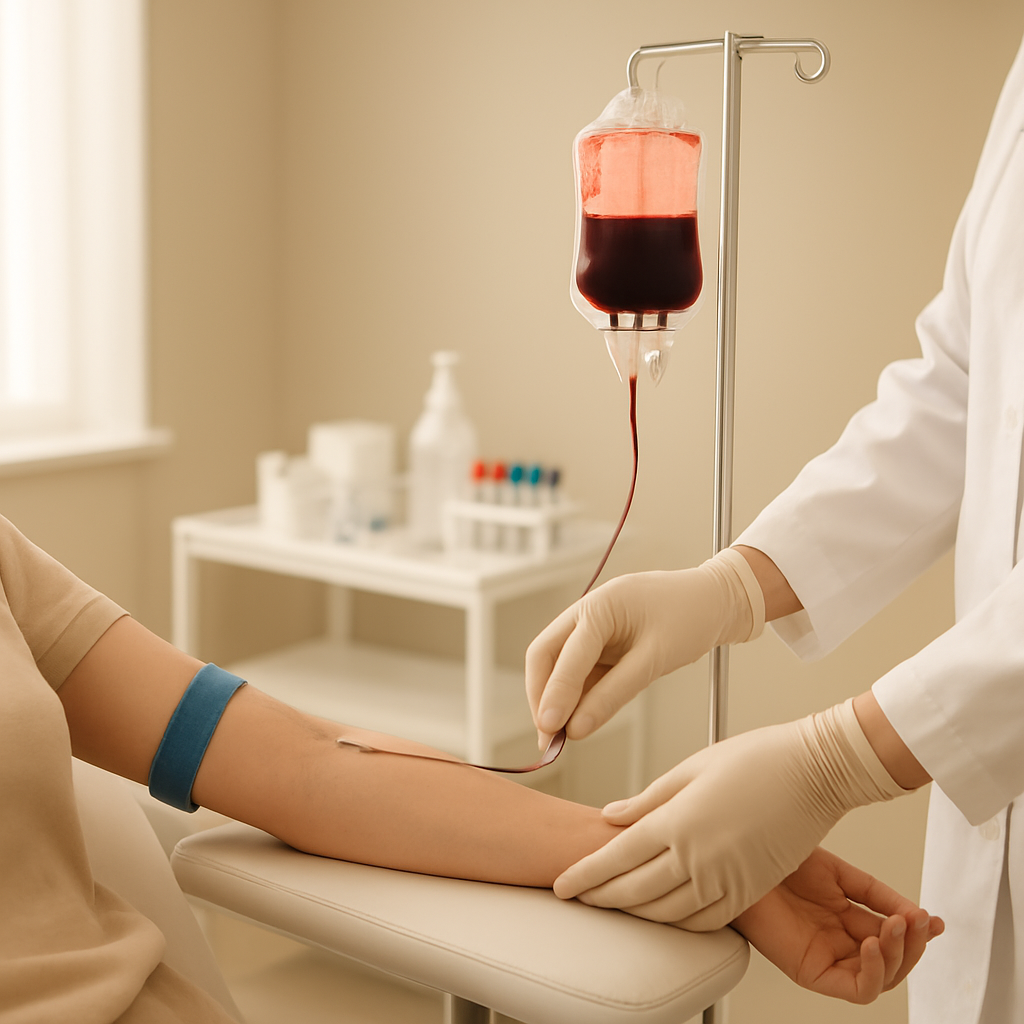
When dose adjustments and lifestyle measures are not enough — or when your haematocrit is high enough to warrant prompt action — therapeutic phlebotomy is often the most direct and effective solution. Removing a controlled volume of blood immediately reduces the concentration of red blood cells and brings your haematocrit back toward a safe range.
At Alpha Medical, a typical phlebotomy session removes approximately 300-500mL of blood. The procedure is carried out in-office and under full medical supervision, with our clinical team monitoring you throughout. For some TRT patients this becomes a periodic part of their monitoring plan; for others a single session resolves the issue.
How We Manage This in Cyprus
For our TRT patients in Cyprus, managing haematocrit is a built-in part of the protocol rather than an afterthought. We monitor your blood values from the outset and at regular intervals, so a rising haematocrit is identified early.
If intervention is needed, we handle it end to end — from adjusting your protocol to performing medically supervised phlebotomy in our Limassol clinic. You are never left to manage a high haematocrit on your own.
Ready to take the next step? Book a consultation at our contact page — or request an introductory TRT guide below.