Your yearly blood test comes back with every line inside the normal range, and you are told you are fine. Most of us also know a story that doesn't fit: someone in their early fifties with 'normal' bloods who has a heart attack. Both are common, because a routine panel is built to catch disease that has already arrived, not the slow process building towards it.
A longevity panel measures that process. This guide explains what a standard check-up leaves out, the markers worth adding and what each one tells you, and how blood testing works at Alpha Medical in Limassol, from the morning draw to a plan you can act on.
What a routine check-up measures
A typical panel covers a full blood count, basic liver and kidney function, fasting glucose and a standard cholesterol profile. These are useful for spotting anaemia, an infection, a failing organ or diabetes that is already established. They are less useful for the question most people actually care about: how am I ageing, and what is quietly heading in the wrong direction?
Two people with identical routine results can carry very different risks. The difference usually sits in markers nobody ordered.
The markers a longevity panel adds
At our Limassol clinic, a full longevity panel builds on the routine tests with:
- ApoB and Lp(a), the two cholesterol-related numbers that best reflect heart and artery risk
- Fasting insulin and HbA1c alongside glucose, to catch insulin resistance years before diabetes
- hs-CRP, a sensitive marker of low-grade inflammation
- Hormones: testosterone, SHBG and oestradiol in men; oestradiol, progesterone, FSH and LH in women
- Thyroid (TSH and free T4) and cortisol where symptoms suggest it
- Ferritin, iron, vitamin D and B12, which drive energy and recovery
- Extended liver and kidney markers, including GGT and cystatin C
ApoB and Lp(a): the heart numbers most people never get
Standard LDL cholesterol measures how much cholesterol is carried in the blood. ApoB counts the particles that carry it, and it is the particles that lodge in artery walls. When the two numbers disagree, which is common in people with insulin resistance or excess weight, ApoB is the better guide to risk.
Lp(a) is a cholesterol particle whose level is set almost entirely by your genes. About one person in five has a raised level, which increases the risk of heart attack, stroke and narrowing of the aortic valve, and it barely changes with diet or exercise. A European consensus recommends that every adult has it measured at least once. Most people never have.
Blood sugar before it becomes diabetes
Fasting glucose often stays normal for years while the body works harder and harder to keep it there, by pouring out more insulin. Measuring fasting insulin alongside glucose shows that strain early, when changes to diet, training, sleep and sometimes medication can reverse it. HbA1c adds the three-month average.
Blood is only part of the picture
Some of the strongest predictors of how long and how well you live are not in the blood at all. In a study of more than 120,000 adults, those with the lowest cardiorespiratory fitness had five times the risk of death over the follow-up period of those with the highest, a bigger effect than smoking or diabetes.
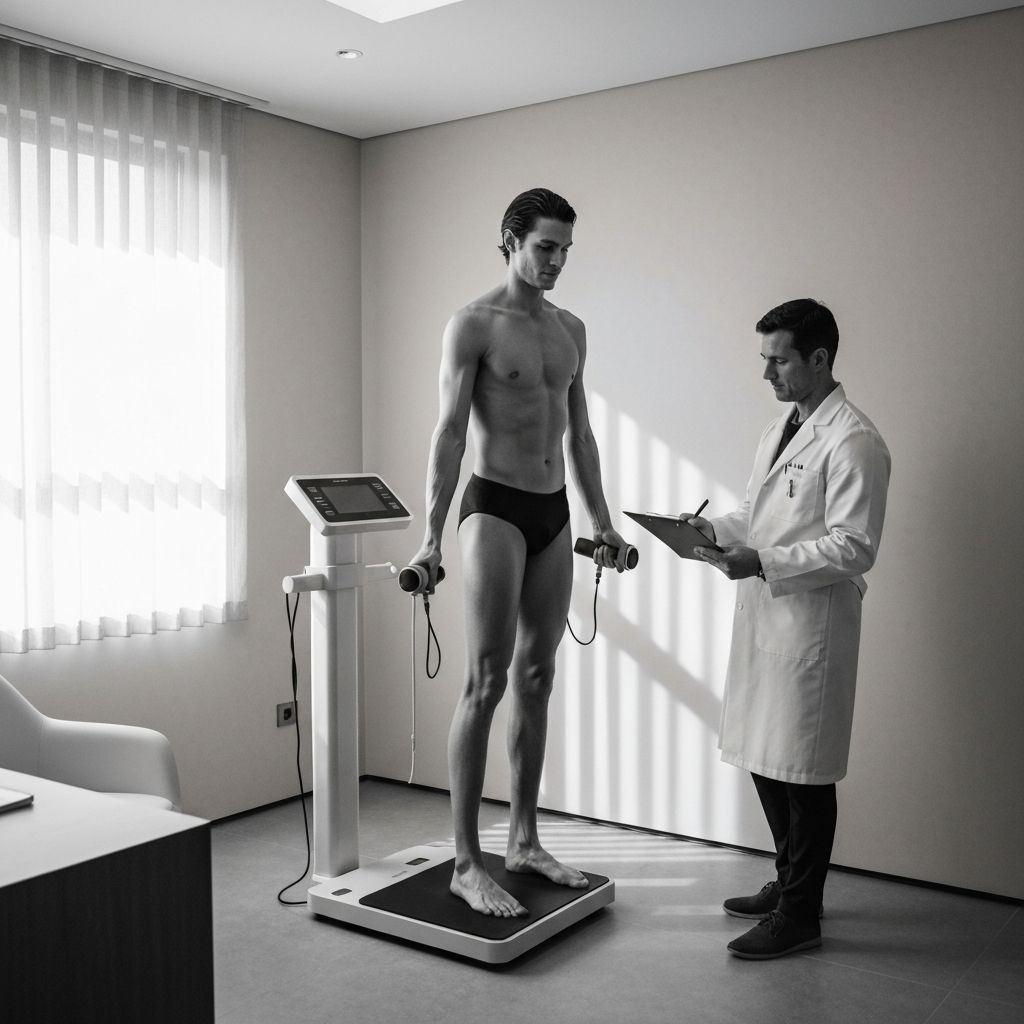
That is why many of our patients combine blood tests with a VO2 max test and a body composition scan in the same morning. Together they show how your heart, metabolism and muscle are actually ageing.
How blood testing works at Alpha Medical Limassol
It starts with a short consultation so the panel fits you: your family history, symptoms, goals and any previous results. The blood draw takes a few minutes in the morning after an overnight fast; water is fine. Most results are back within a few days.
Then comes the part that matters most: a physician goes through every result with you, explains what is strong, what needs attention and what it means for the next ten or twenty years, and gives you a written plan. That might be training targets, nutrition changes, supplements, hormone optimisation or simply a date to retest. Most patients repeat the panel every 6 to 12 months to see the numbers move.
Ready to take the next step? Book a consultation at our contact page — or request an introductory Longevity Medicine guide below.