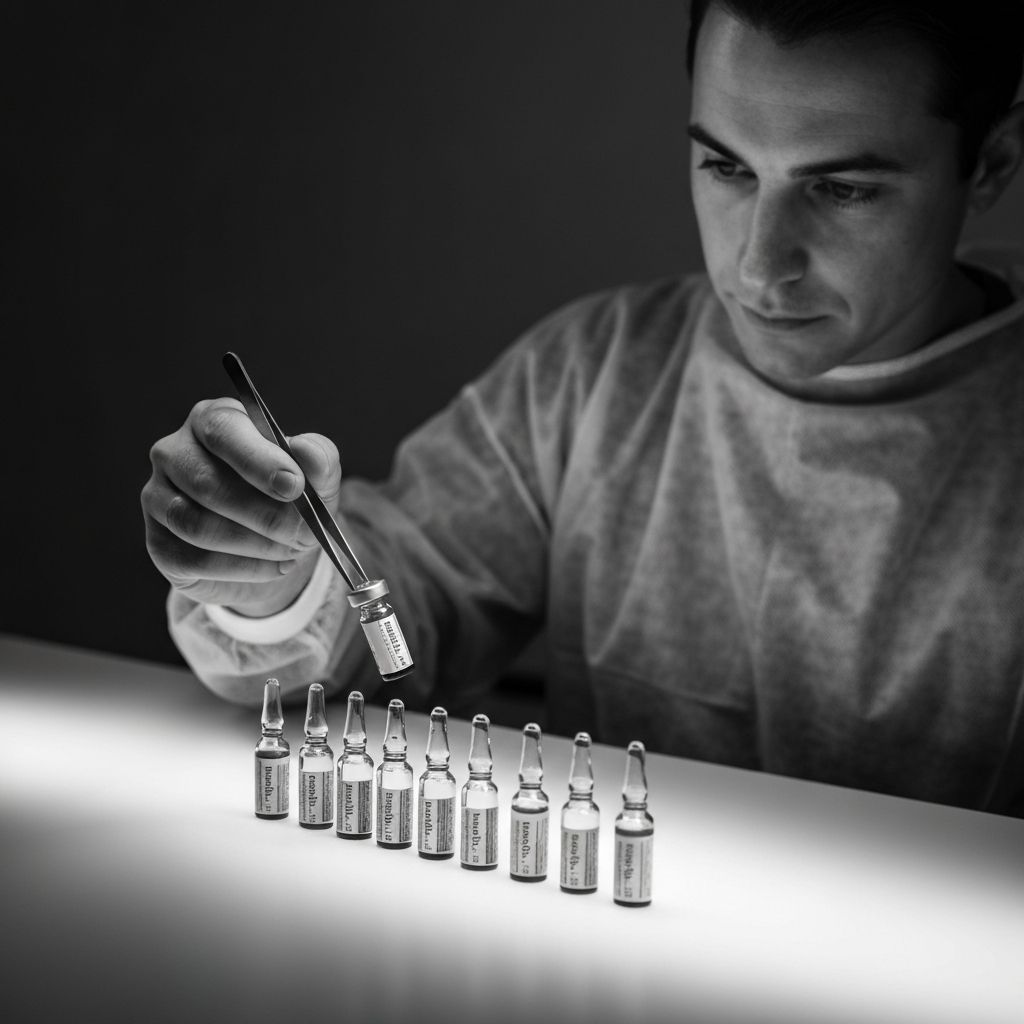
You have probably seen the photo: someone reclining in a leather chair with a drip in their arm and a caption about energy. The bag is very often NAD+. It sounds like a trendy supplement, but it is a molecule every cell in your body already uses to turn food into energy and to repair damaged DNA.
The reason it has become a longevity treatment is simple. Levels fall as we age, and the processes that depend on NAD+ slow down with them. This guide explains what NAD+ does, what happens in the body during an infusion, what the human research shows so far, how a session feels, and how we use NAD+ IV therapy at Alpha Medical in Limassol as part of a wider longevity plan.
What NAD+ does in your cells
NAD+ (nicotinamide adenine dinucleotide) is a coenzyme found in every living cell. Its best-known job is in the mitochondria, where it carries electrons through the reactions that release energy from food. Without it, cells cannot make ATP efficiently.
It has a second job that matters just as much for ageing. Two families of repair enzymes, the PARPs that fix broken DNA and the sirtuins that help regulate metabolism and inflammation, consume NAD+ every time they work. A 2021 review in Nature Reviews Molecular Cell Biology described how falling NAD+ links to many hallmarks of ageing, from weaker mitochondrial function to slower DNA repair and more low-grade inflammation.
Why levels fall with age
In a study of human skin samples taken from adults of different ages, NAD+ levels dropped steadily with age while markers of oxidative damage rose. The decline seems to come from both sides: the body uses more NAD+ as damage and inflammation increase, and makes a little less of it.
The practical question is whether topping it back up helps. Oral precursors work: in a trial of healthy middle-aged and older adults, nicotinamide riboside taken daily for six weeks raised blood NAD+ by around 60%. An infusion delivers NAD+ itself straight into the bloodstream, skipping the gut and the conversion steps.
What happens during an infusion
The most detailed human data come from a pilot study in which healthy men received a slow six-hour NAD+ infusion. For the first two hours, blood NAD+ barely moved, because the body was taking it up and breaking it down as fast as it arrived. After that, levels rose steadily, and NAD+ and its breakdown products appeared in the urine.
Two practical lessons follow from that. NAD+ is used quickly, so a single infusion gives a short-term rise rather than a permanent change, which is why we plan infusions as a course with oral support in between. And the body handles it best when it arrives slowly.
How a NAD+ drip feels
At a slow rate most people feel very little, and many read, work or sleep through it. If NAD+ runs in too quickly, it commonly causes a wave of flushing, chest tightness, stomach cramping or nausea. These pass within minutes once the drip is slowed, which is why the rate is adjusted throughout the session rather than set once.
Infusions usually take two to four hours in our private IV lounge in Limassol. Afterwards people go straight back to their day. Some describe clearer thinking or better energy over the following days; others notice little from a single session and more over a course.
Who it suits, and what to expect honestly
NAD+ IV therapy fits people already working on their health who want an extra lever: those in a longevity programme, people recovering from a demanding period of work, travel or illness, and athletes in heavy training. It is not a substitute for the fundamentals. Sleep, training, nutrition and, where needed, hormone optimisation do far more for energy than any infusion.
The human evidence shows NAD+ levels can be raised safely. Studies that measure hard outcomes such as energy, cognition or long-term health in people are still small, and we say so at the consultation. We plan infusions around a clear goal and review whether they are earning their place.
- Longevity patients who want to support cellular energy alongside training and diagnostics
- Professionals coming out of a long stretch of poor sleep, travel or stress
- Recovery after illness, once your physician has cleared you
- Athletes and active people during heavy training blocks
NAD+ IV therapy at Alpha Medical Limassol
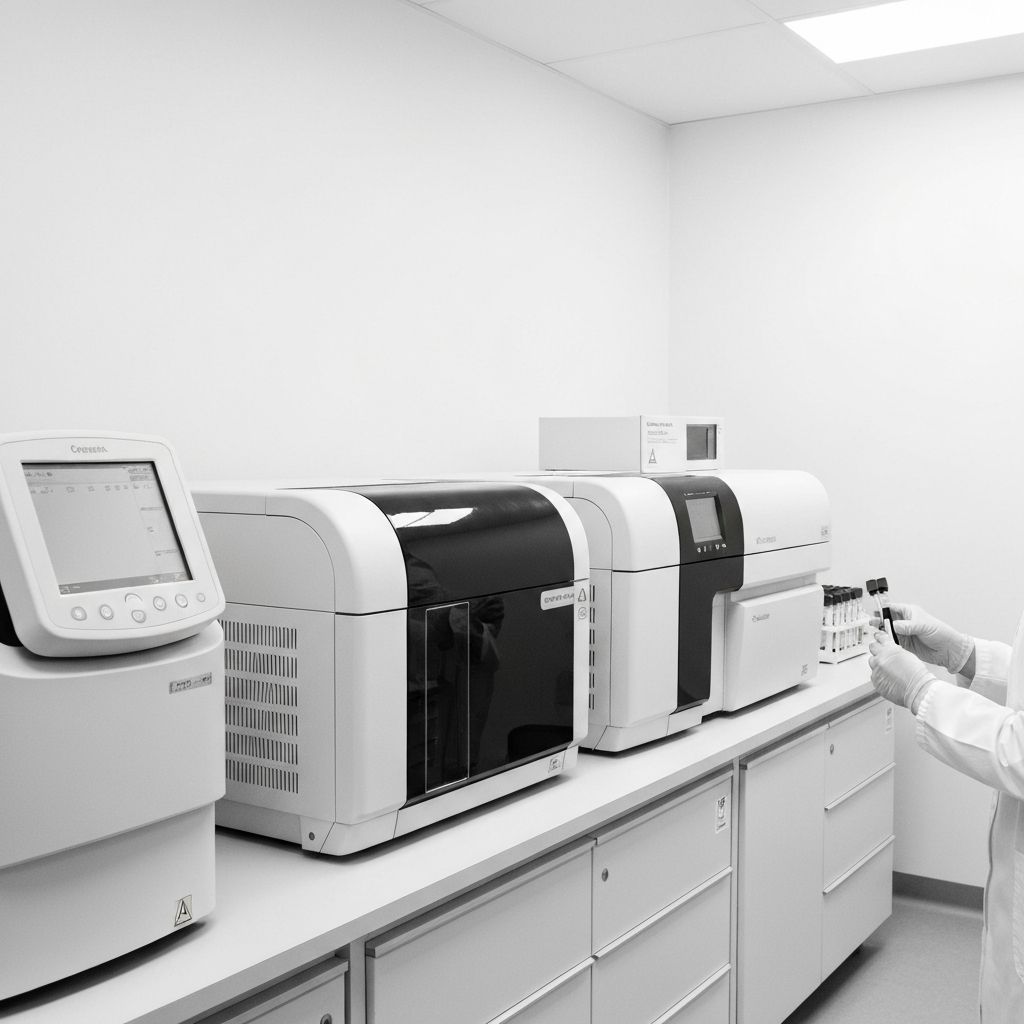
Every patient starts with a physician consultation about goals, history and medications, plus bloodwork including kidney and liver function, so we know the infusion suits you. We then plan the course: how many sessions, how far apart, and which oral precursor to continue between them.
NAD+ often sits inside a broader plan built from our longevity diagnostics, such as a full longevity blood panel, VO2 max testing and a body composition scan. Patients travel to the clinic from Nicosia, Larnaca and Paphos, and many book an infusion on the same day as their testing.
Ready to take the next step? Book a consultation at our contact page — or request an introductory Longevity Medicine guide below.